Here’s a challenge for you: Can you find a price tag that doesn’t come with a hidden cost? Maybe a dozen eggs “costs” $5.99 at your local grocery store or the pump at a California gas station says a gallon of gas costs $6.15, but isn’t there always some hidden costs about extra taxes, permit fees, credit card surcharges and those slippery Trump tariffs? If something on the grocery store shelf costs the same as it did last year, you’d better check the package size; it has probably shrunk. Am I right?
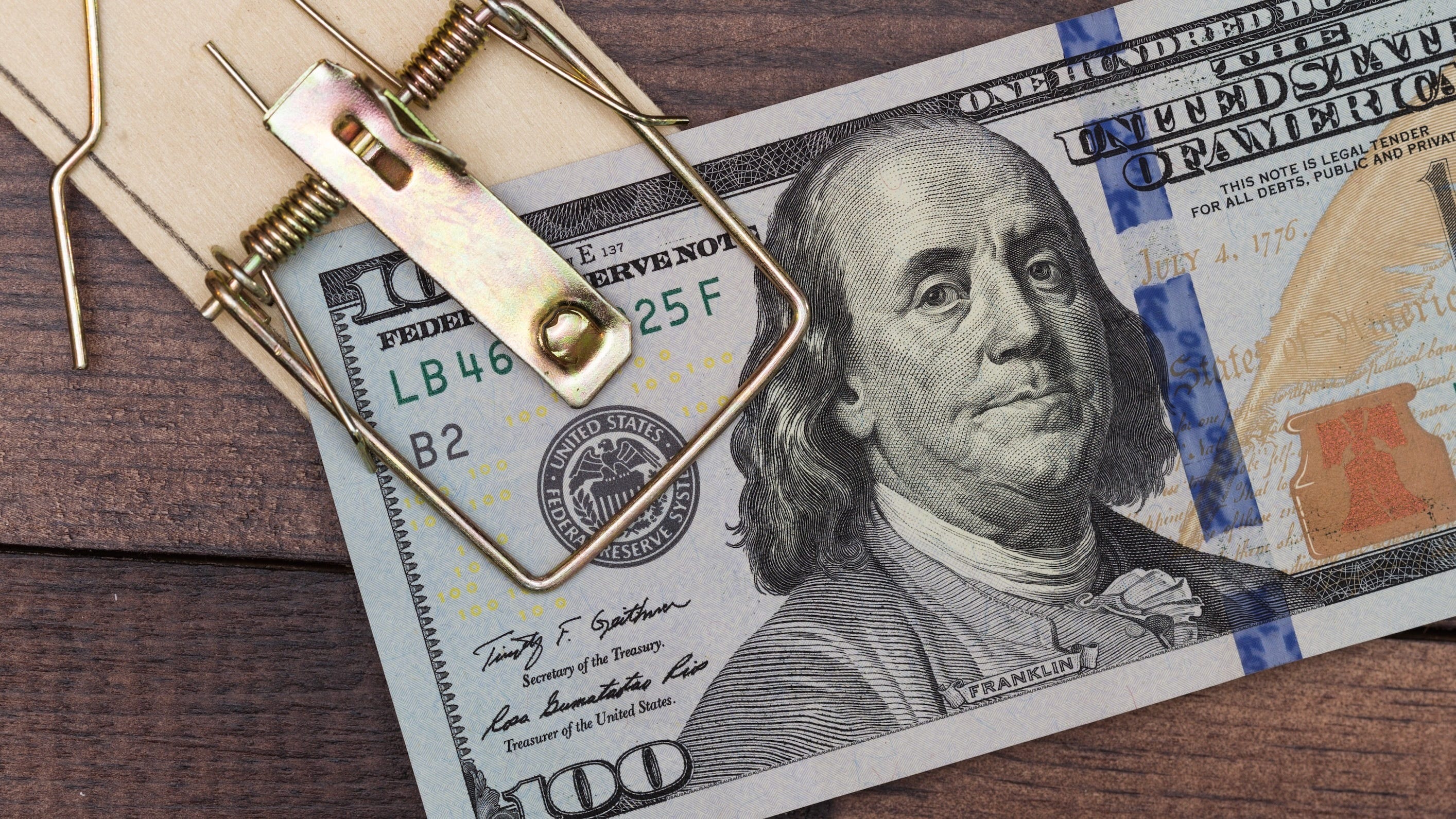
Why do we even have printed price tags or shelf stickers anymore? We all know we’re going to pay more — and never less — than the advertised total. Just look at going to a live music concert. You think your ticket only cost $89.95 until the processing fees are added, raising your entry fee to over $100. Enjoy the show, sucker. All those music fans that filled stadiums last year for Taylor Swift and Beyoncé paid $250 million in those extra “junk fees.”
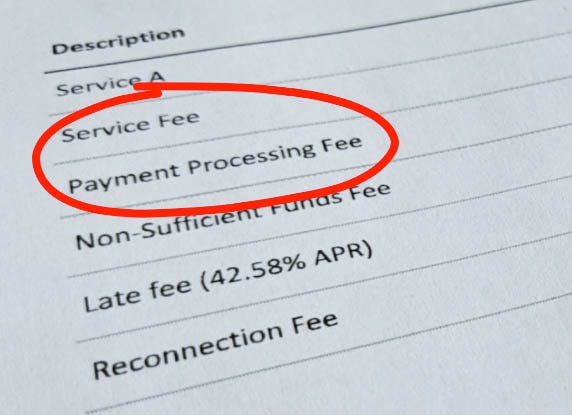
Hidden costs come in a big variety of rip-offs. Our pocketbooks take extra hits from surcharges, credit card processing fees, unclaimed rebates, regulatory fees, extra taxes and those nagging late fees. According to one recent major consumer credit survey, American households paid $165 billion in hidden bill-related costs last year (2024), averaging $1,222 per household. One-third of all households paid a late fee in 2024, totaling $31.6 billion. Some households probably paid more in these hidden fees than they did on their annual income tax returns, poor souls. Perhaps, you can relate.
And, what about all those other “non-cash” hidden costs that come with wasted time, confusing cancellation policies, excruciating 1-800 customer service calls, regrettable emotional strain, “no return” policies, and pure mental anguish? Retail therapy? Whatever that is could barely cover all these financial abuses, don’t you think?
The same survey mentioned above found a total of $25 billion in hidden costs from phone scams and another $8 billion worth of lost time answering all those robocalls. Hell, medical paperwork alone each year costs American households another $21.6 billion in wasted time and labor, the survey also found. These are real numbers, folks.
Can’t a sucker ever get an even break? Obviously, what they say is true about “there’s no such thing as a free lunch.” Fred Brooks, who was one of IBM’s earliest computer scientists that helped invent credit card networks once said, “You can only get something for nothing if you have previously gotten nothing for something.” I guess he should know.
Economists long ago devised a term for hidden costs they called “opportunity costs.” That’s where a consumer buys something not as satisfying as something else that might have been cheaper or more durable in the first place. More recently, economists have come up with a new term called the “Annoyance Economy” where consumers pay all the hidden costs for poor customer service, impossible-to-cancel online subscriptions, hidden auto-renewals and all those attention-draining algorithrms.
How many times each month have you looked at your credit card statement or an individual bill with questionable mystery charges and then ignored them? Come on, be honest. Over a year, how much do you think that adds to up in annoying hidden costs? Apparently, that’s a huge hit on all our wallets.
Few of us remember Joe Biden’s final State of the Union speech in 2024 when he railed against “Junk Fees.” Too bad we didn’t pay better attention. The aging president laid down a stern warning to the average American: “We all know the experience of encountering a hidden fee at the very last stage of check out—these junk fees sneak onto your bill and companies end up making you pay more because they can. Those fees add up, taking real money out of the pockets of Americans.” Right on, Joe, we meant to say, but didn’t.
Biden went on to list the hidden costs on hotel resort fees, renter application fees, airline baggage fees, bank overdraft charges, food delivery surcharges, “back of house” restaurant fees, and all of those late payment fees.
“Money spent on junk fees is not available to be spent elsewhere,” Biden told the Congress and his television audience. “Nor can it be saved or invested. Complex fee schedules also make it more difficult for consumers to comparison shop.” Biden protested that there are too many practices and work-arounds that hit consumers’ pocketbooks that are not regulated and are allowed to sneak through state and federal market and consumer protections.
Since Biden’s strident address just two years ago, the landscape of hidden costs has gotten much worse. Trump, his successor, has dismantled the federal Bureau of Consumer Protection (CFPB) and reversed many regulations that controlled the country’s advance of more monopolization and concentration of wealth and market dominance by anti-consumer powers.
There’s a reason why these are called “junk fees.”
The irony about hidden costs is that as they pile up on the shoulders of average households and workers, the less invisible they have become. We’ve all become resigned to live with them and chalk them up as just more overhead. It’s hard to blame small businesses for passing on all these hidden costs, but it’s getting worse and worse — and very expensive. Real money needed to pay real bills like the monthly rent, a doctor’s visit or school tuition is never enough for an increasing number of American working families.
OK, so can we do something about all this? Maybe. Lots of the extra costs not printed on a price tag have to do with credit and debt charges. American households are stuck in a downward spiral of increasing credit charges — and that’s not counting our fictional portion of our U.S. government’s record debt. Consumers and households pay lots of hidden costs they inherit because of a poor credit rating score. A 100 point downshift on a homeowner’s credit score can raise his or her mortgage rate by .3 extra points. The same mediocre credit rating score can raise a consumer’s credit card interest rate by 4.5 points.
Almost half of all households (40 percent) have a mortgage. The average U.S. household mortgage is $252,505. New automobiles now cost an average of $40,000 and the average auto loan balance for car “owners” exceeds $30,000.
Credit card balances are their own special nightmare, where some interest rates now approach 30 percent. The average credit card balance these days is just over $6,000, with many people having balances more than double that amount.
This all looks like a situation where we’re all so used to getting hit with all these hidden costs every time we swipe a credit card or open our wallet, that we’ve stopped paying attention.
If we ever did bother to open our eyes and take a brave look around, we’d find we’re all living in a “Junked Economy.” Does that mean it’s time to “put out the trash?”
So many tack ons but you missed the biggest one in my opinion - medical bills. An office visit bill is bad enough, but a full blown hospital stay? I defy anyone to be able to explain the bills, yes bills, that arise from a hospital stay. Take a deep dive to find out that insurance companies, hospitals & doctors own all facets of the system and you won't be able to sleep at night!


So many tack ons but you missed the biggest one in my opinion - medical bills. An office visit bill is bad enough, but a full blown hospital stay? I defy anyone to be able to explain the bills, yes bills, that arise from a hospital stay. Take a deep dive to find out that insurance companies, hospitals & doctors own all facets of the system and you won't be able to sleep at night!